Morocco’s ecological transition: From water security to circular

Economy and everyday excellence
Morocco is accelerating its ecological transition, positioning itself at the intersection of energy strategy, water security, and sustainable development. As the country invests in large-scale infrastructure and environmental initiatives, a new dynamic is emerging: connecting national ambition with everyday impact.
At the heart of this transformation lies a simple question: how do we translate large-scale progress into meaningful daily change?
From Strategic Water Security to Everyday Quality
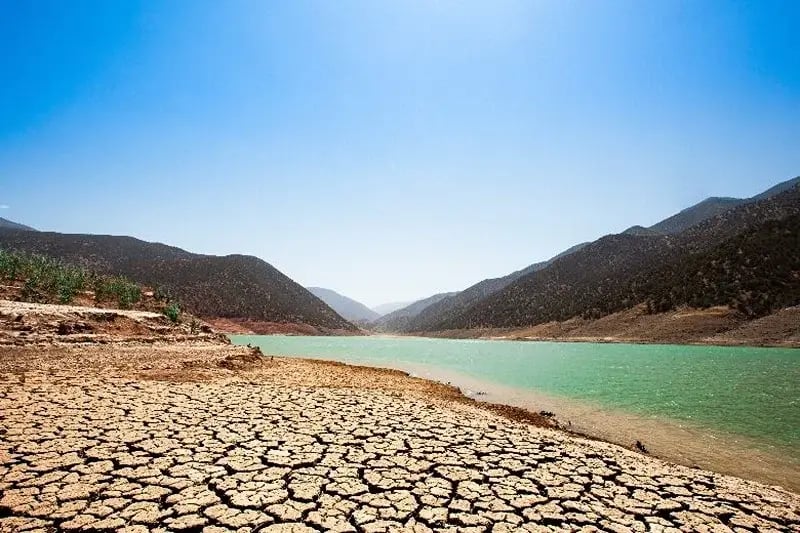
Faced with increasing water stress, Morocco is scaling up its desalination capacity, with the ambition of supplying up to 60% of its drinking water from seawater by 2030, representing 1.7 billion cubic meters annually (Reuters).
This marks a decisive step forward: securing access to water across the country.
But access alone is no longer enough.
Once water reaches the network, the real challenge begins: how do we ensure that what we drink is not only safe, but truly exceptional?
This is where the next level of value is created.
By refining water at the point of use, BE WTR bridges the gap between infrastructure and experience. Its filtration technology removes residual impurities, stabilizes quality, and enhances taste, transforming tap water into a premium, consistent, and reliable experience across homes, offices, restaurants, and hotels.
The equation is shifting: While infrastructure secures availability, BE WTR secures excellence.
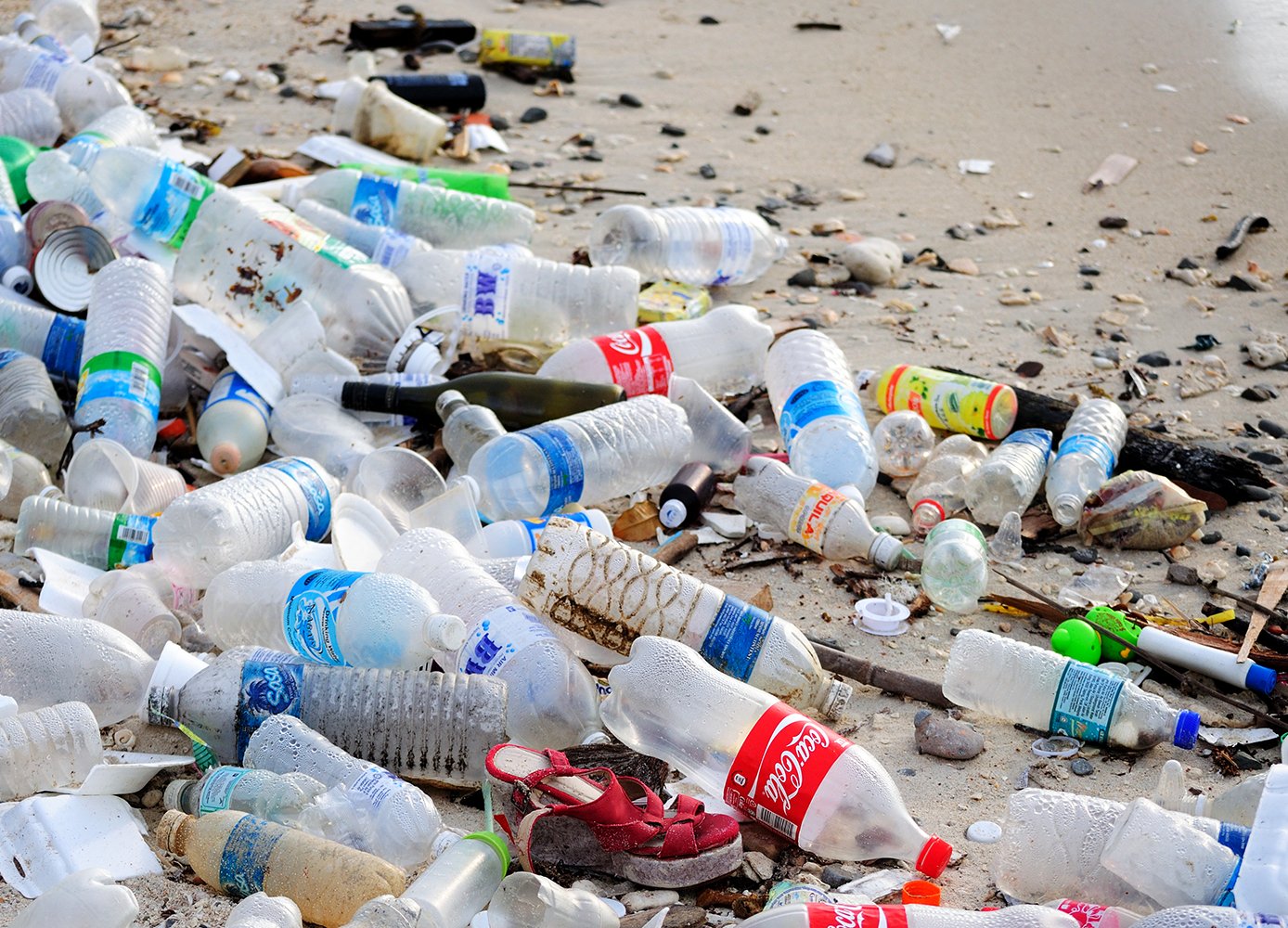
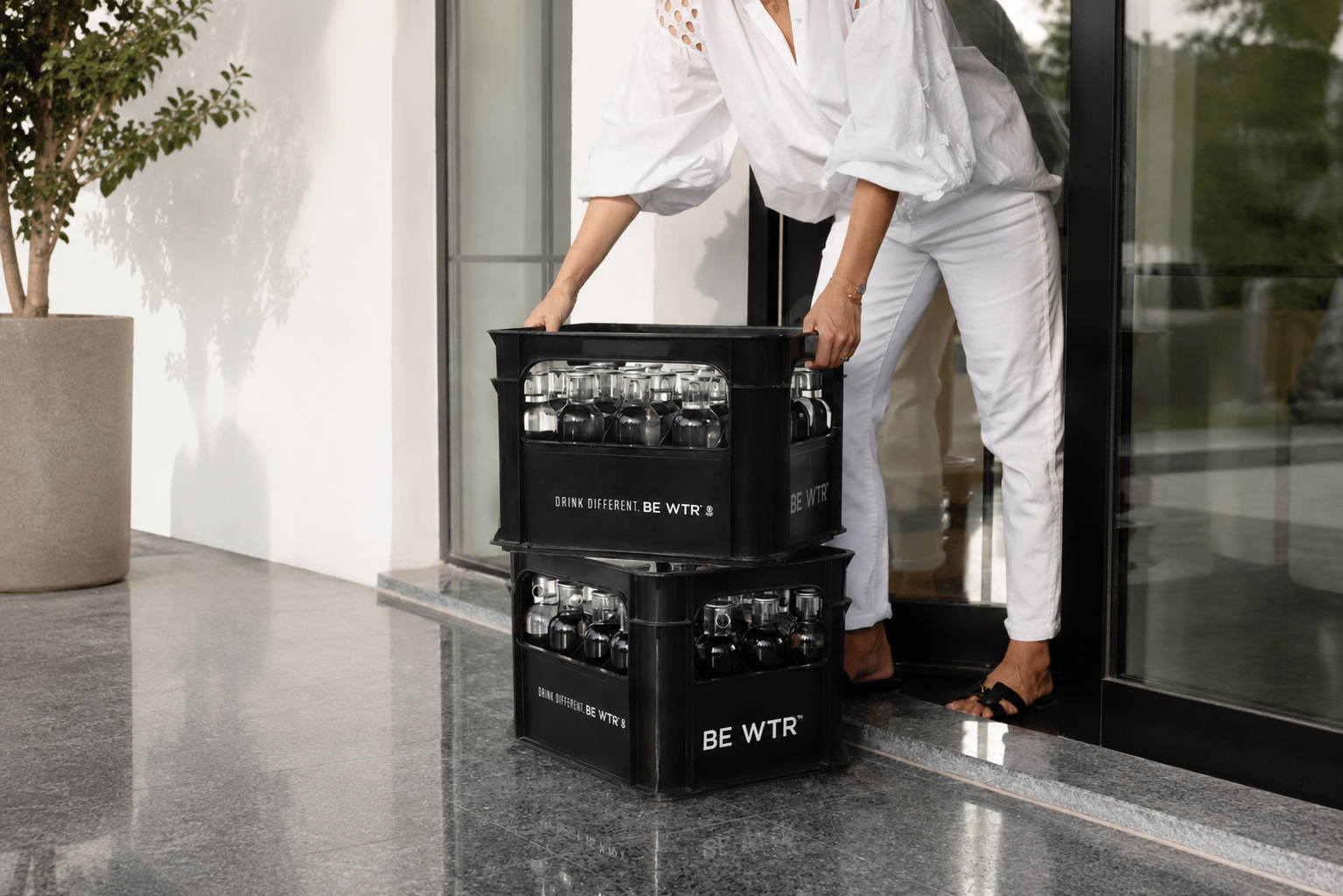
At the same time, choosing filtered network water over bottled alternatives represents one of the most immediate and impactful environmental actions. It drastically reduces plastic waste and eliminates transport-related emissions, enabling a transition from linear consumption to a circular, local model.
From Plastic Pollution to Circular Solutions: Turning Commitment into Action
Morocco is also accelerating its transition toward a circular economy, with plastic reduction as a key priority.
In February 2026, the Ministry of Energy Transition and Sustainable Development, in partnership with UNIDO and UNDP Morocco, launched the “Circular Solutions to Plastic Pollution” project, backed by nearly 60 million dirhams. The objective is clear: move from waste management to systemic transformation. Beyond reducing plastic waste, the ambition is clear: to rethink the entire system, from production to consumption (UNPD).
But systemic change is only effective when it translates into concrete action.
By eliminating the need for single-use plastic bottles at the source, BE WTR offers a direct and scalable alternative. Water is no longer produced, transported, and discarded in plastic, it is filtered, refined, and consumed locally, on demand.
This shift redefines water consumption as a zero-waste, low-impact practice, fully aligned with both national ambitions and global sustainability standards.
As Moroccan businesses increasingly commit to decarbonization, solutions that combine environmental performance with operational simplicity become essential. BE WTR turns these ambitions into immediate, measurable impact.
Redefining Everyday Moments
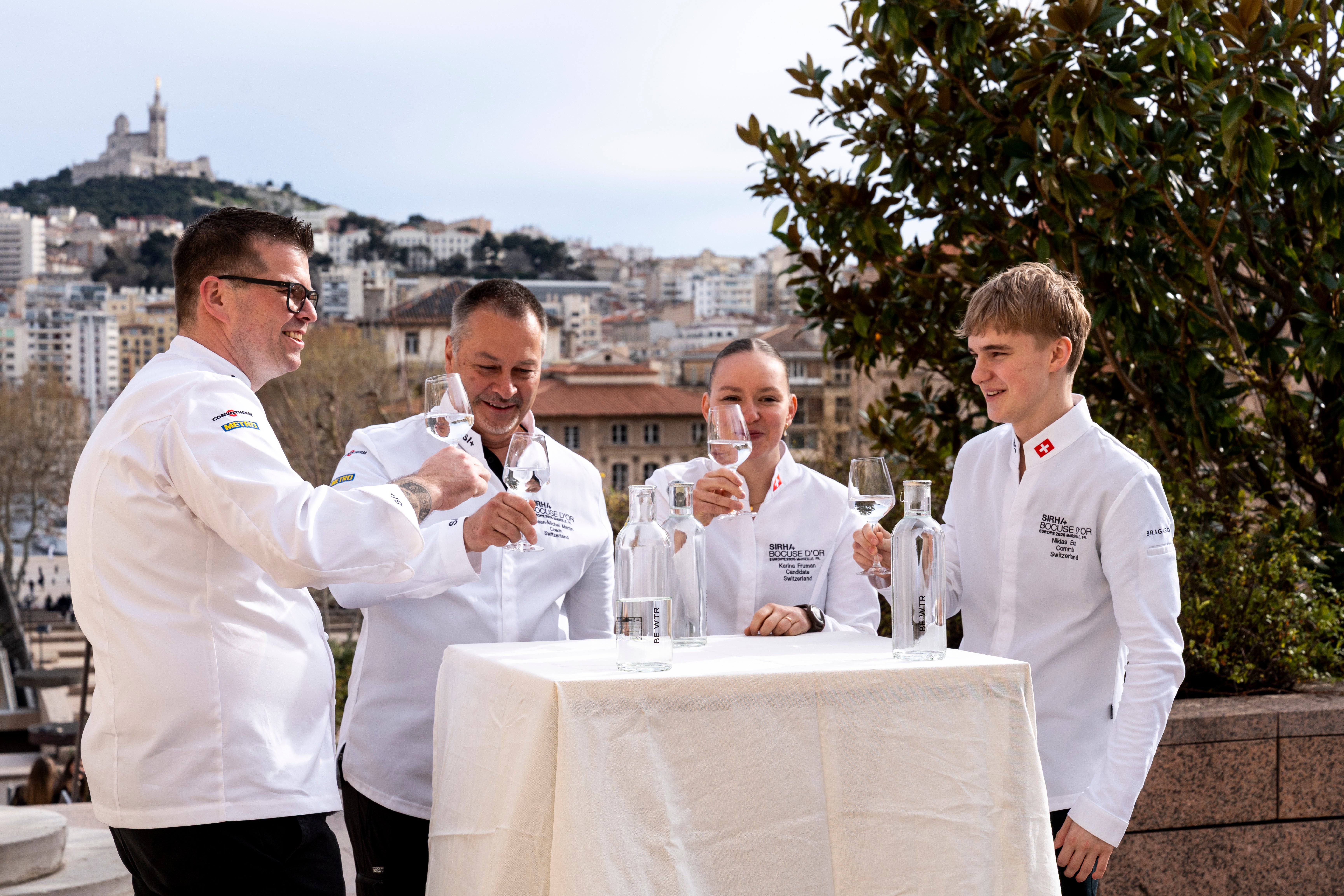
Water is often perceived as neutral. In reality, it is one of the most decisive elements in any tasting experience.
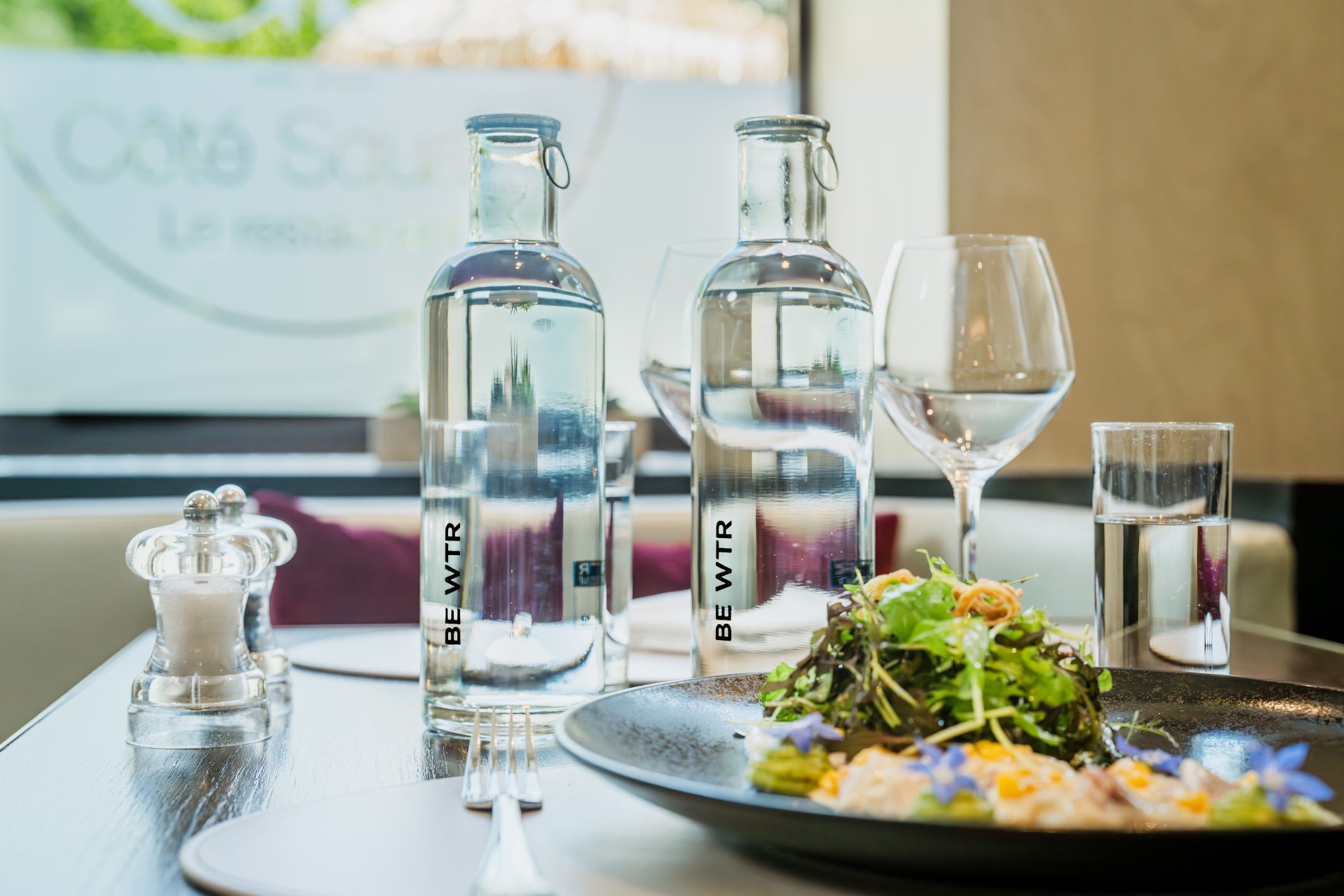
From coffee and tea to high-end gastronomy, water directly shapes aromas, textures, and balance. Residual chlorine or unstable mineral composition can mask flavors and alter the intended profile of a drink or dish.
Great ingredients are not enough. Water determines how they are expressed.
By precisely refining water at the point of use, BE WTR preserves essential minerals while removing unwanted elements. The result is water calibrated for sensory performance: cleaner, smoother, more consistent, allowing every ingredient to reach its full potential.
For professionals, the impact is immediate: a coffee reveals its full complexity, a tea expresses its true character, and culinary creations achieve their intended balance.
Water becomes an invisible enhancer of excellence.
Conclusion
Morocco’s ecological transition is no longer only driven by large-scale infrastructure or policy. It is increasingly shaped by the choices made every day.
By connecting water security, circular economy initiatives, and consumption practices, a new model is emerging, one where sustainability is not abstract, but tangible, immediate, and measurable.
The future of water is not only about access. It is about experience, responsibility, and the ability to make better choices, every single day.
Sources:

.png?width=2000&height=1000&name=website%20%202000x1000%20(2).png)
.png?width=808&height=800&name=left-right%20image%20(1).png)