UAE : Serving Water Responsibly in the Most Water-Stressed Region on Earth


In a region where water defines both possibility and limitation, the way it is served is no longer a detail. It is a responsibility.
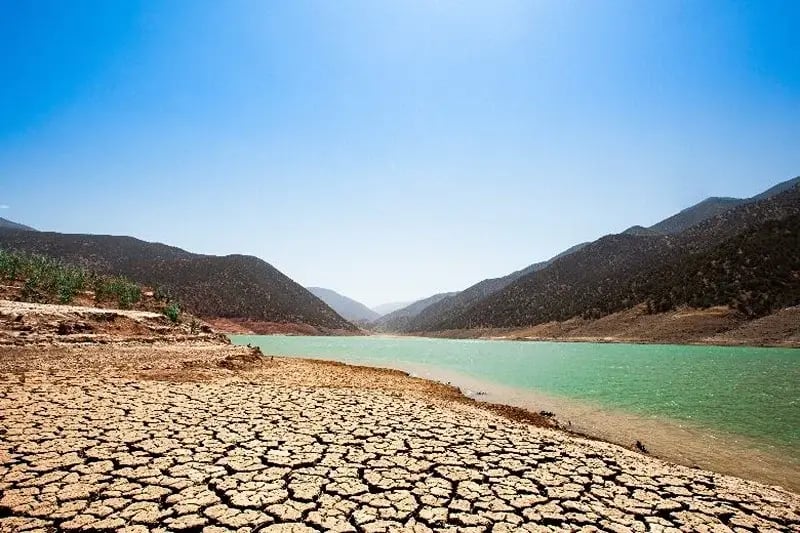
The Middle East holds just 2% of the world’s renewable freshwater resources, yet demand continues to rise at an unprecedented pace. Rapid urbanisation, tourism growth, and climate pressures are converging to turn water scarcity into a structural reality. This is not a distant environmental concern. It is a present-day economic and operational challenge, as regional pressure on desalination and water infrastructure continues to mount.
For the hospitality industry, one of the region’s most dynamic sectors, water is at the centre of the guest experience. And today, it is also at the centre of a profound transformation.
From abundance to awareness
For decades, the perception of water in hospitality has been shaped by abundance. Bottled water, often imported across continents, became synonymous with quality and service. But in a region where water must be desalinated, transported, and managed with extreme care, this model is increasingly at odds with reality.
Water scarcity in the Middle East is not just about access. It is about efficiency, resilience, and long-term sustainability. Every litre carries an environmental and economic cost, reinforced by the heavy reliance on energy-intensive desalination processes.
A new regulatory landscape
In 2026, the Unified Eco-Pact, spanning the UAE, Saudi Arabia, Qatar, Bahrain, and Egypt, marked a turning point. For the first time, water conservation benchmarks became mandatory for hotel operators.
Sustainability is no longer a brand choice. It is a compliance requirement.
For hospitality leaders, this means rethinking operations at every level:
- How water is sourced
- How it is treated
- How it is served
What was once considered innovation is quickly becoming the new standard.
Luxury leading the shift
Some of the region’s most forward-thinking hospitality players are already redefining water service.
In Dubai, a Marriott property has eliminated single-use plastic bottles entirely by implementing on-site water generation and filtration systems, reducing more than 11,000 kilograms of plastic per 1,000 litres consumed.
Beyond the environmental benefits, this transformation enhances the guest experience. Water becomes fresher, locally produced, and aligned with the expectations of a new generation of travellers.
In this context, sustainability is not a constraint. It is a differentiator.
How BE WTR is supporting this transition in the UAE
Across the UAE, this shift is accelerating, and it requires solutions that are both operationally efficient and aligned with premium hospitality standards.
This is where BE WTR comes in.
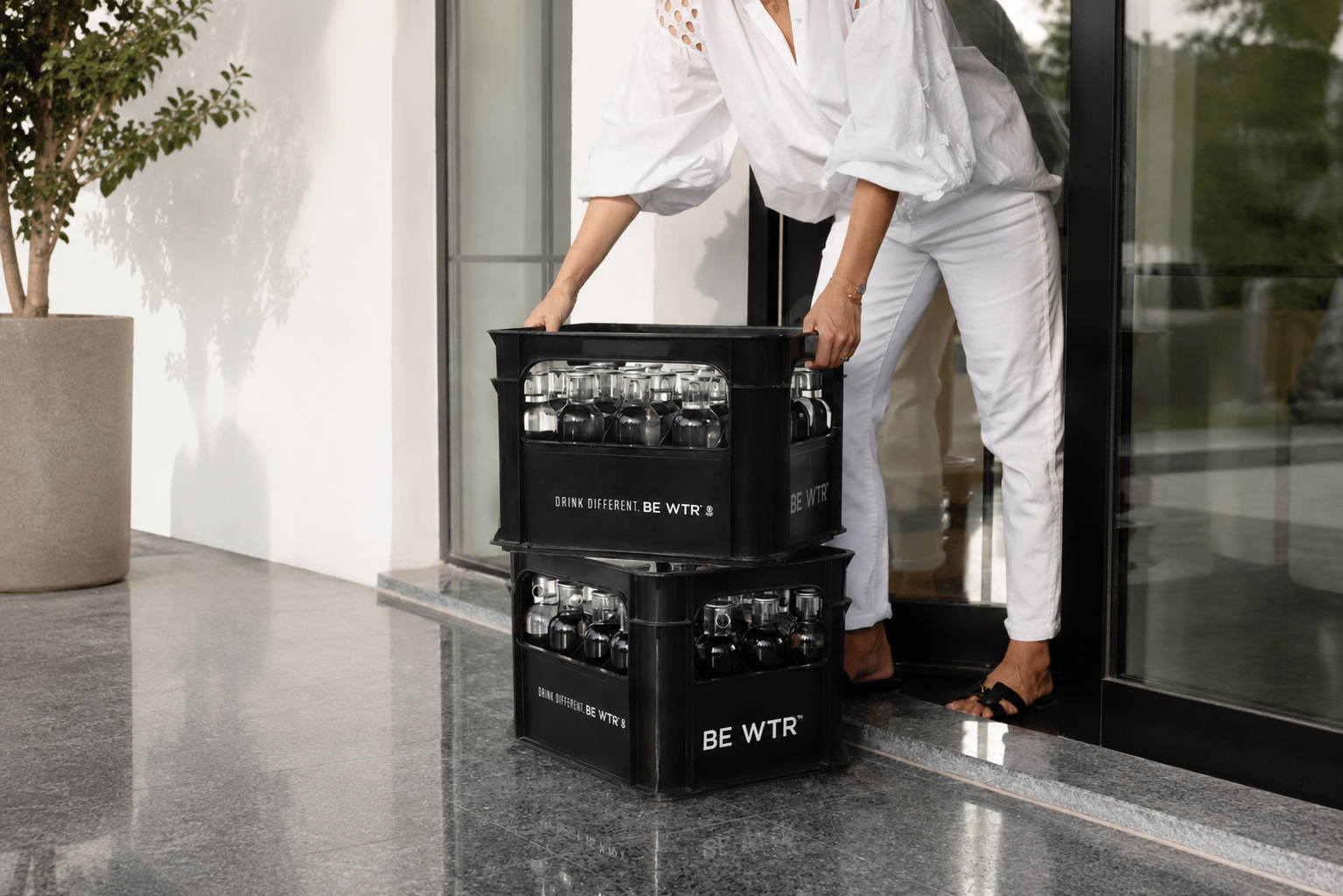
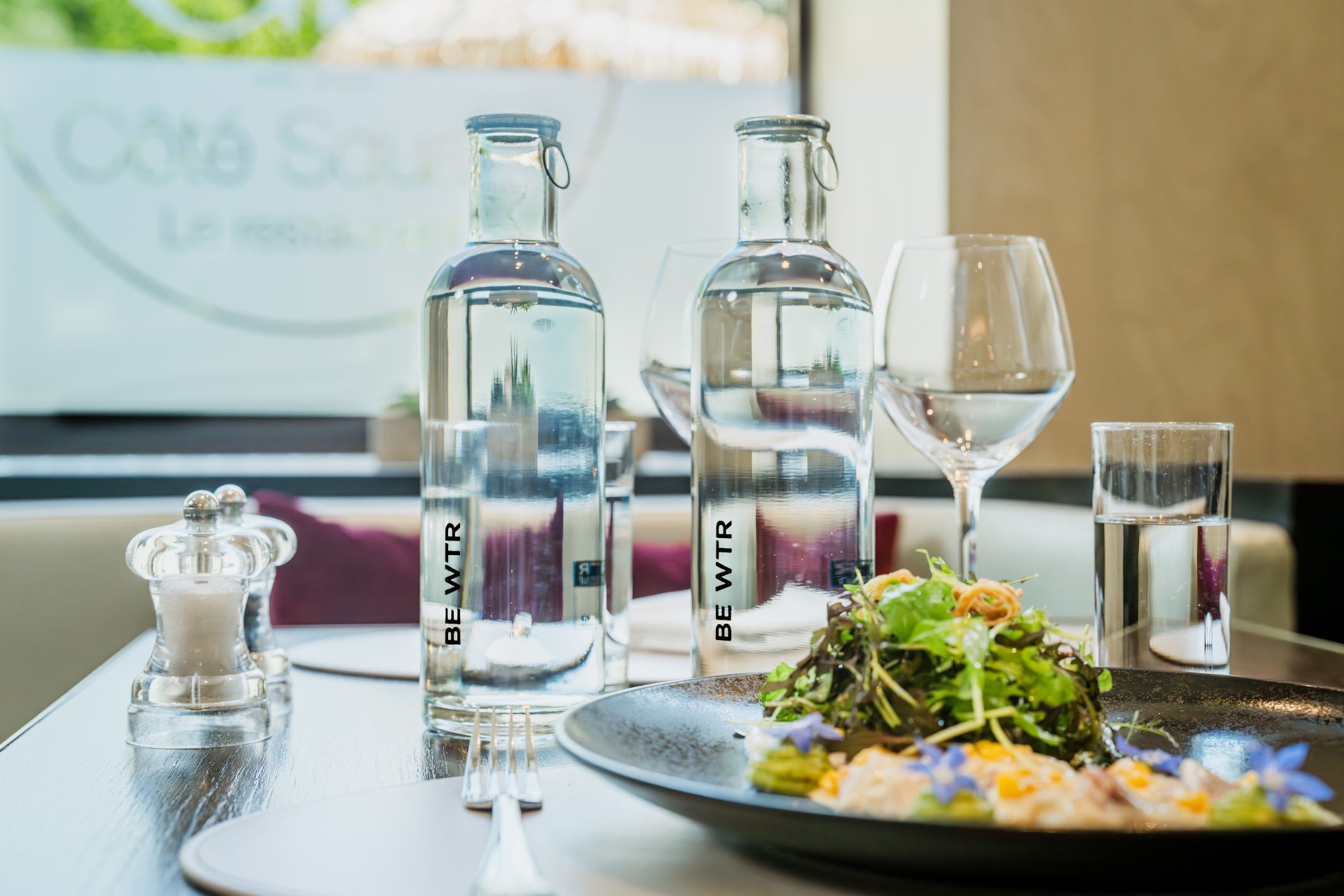
BE WTR enables hotels and restaurants to produce high-quality still and sparkling water directly on-site, using advanced filtration and enhancement technologies. Instead of relying on imported bottled water, properties can serve water that is locally sourced, freshly filtered, and designed to meet the highest expectations of taste and experience.
By rethinking water at the point of service, BE WTR helps hospitality operators:
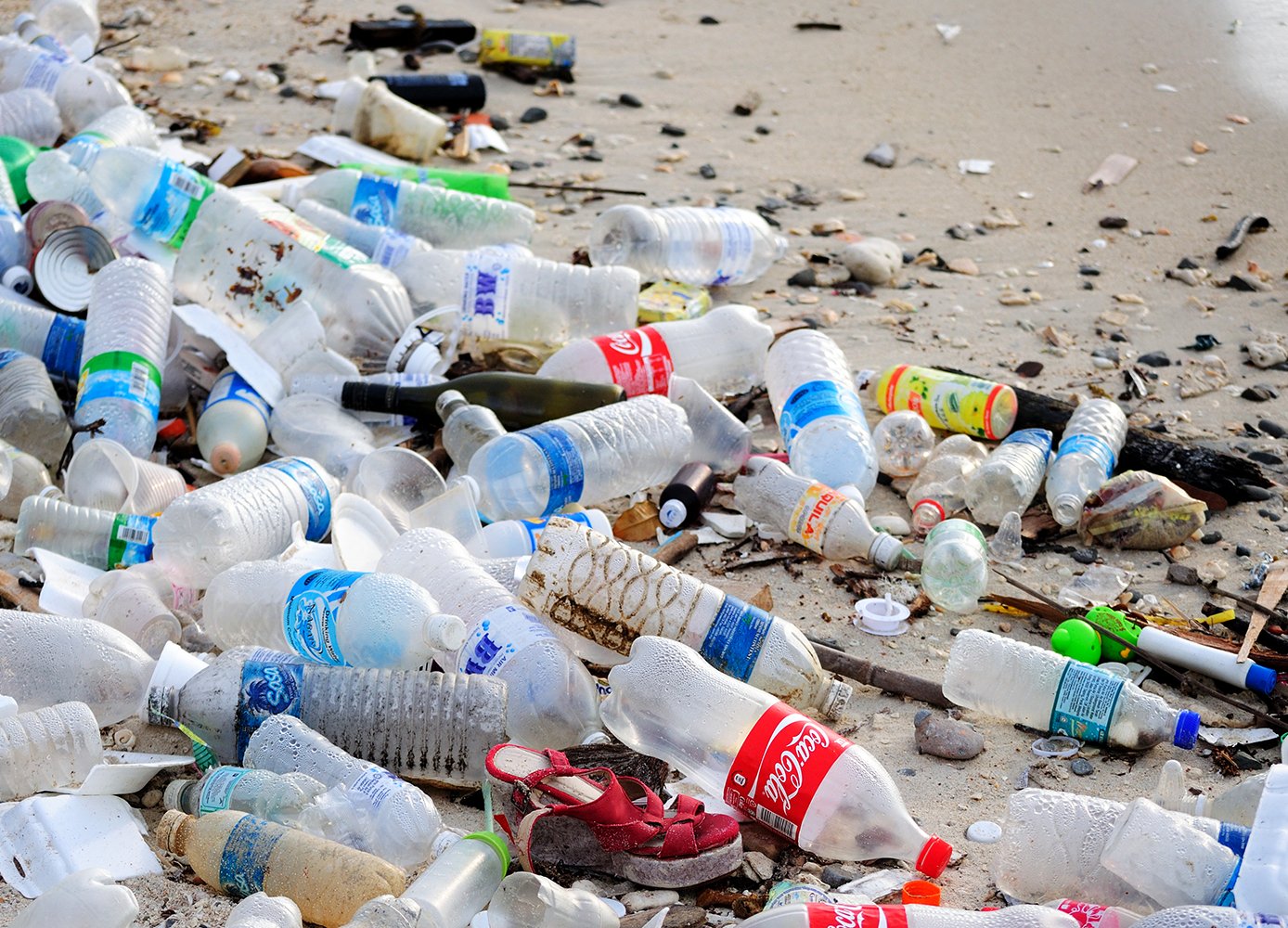
Eliminate single-use plastic bottles
Reduce transport-related emissions and logistics
Maintain a consistent, premium water experience
Align with emerging regulatory requirements
But beyond operations, it also transforms perception.
Water is no longer a commodity. It becomes part of the identity of the venue, something that reflects both its values and its commitment to responsible luxury.
Sources :
- www.hotelandcatering.com/news/the-2026-unified-eco-pact-reshaping-middle-east-tourism-through-mandatory-sustainability
- www.thecooldown.com/green-tech/air-o-water-hotel-dubai-water-scarcity
- www.aa.com.tr/en/middle-east/middle-east-confronts-intensifying-water-crisis-as-desalination-becomes-lifeline-for-region/3856366


.png?width=2000&height=1000&name=website%20%202000x1000%20(2).png)
.png?width=808&height=800&name=left-right%20image%20(1).png)